
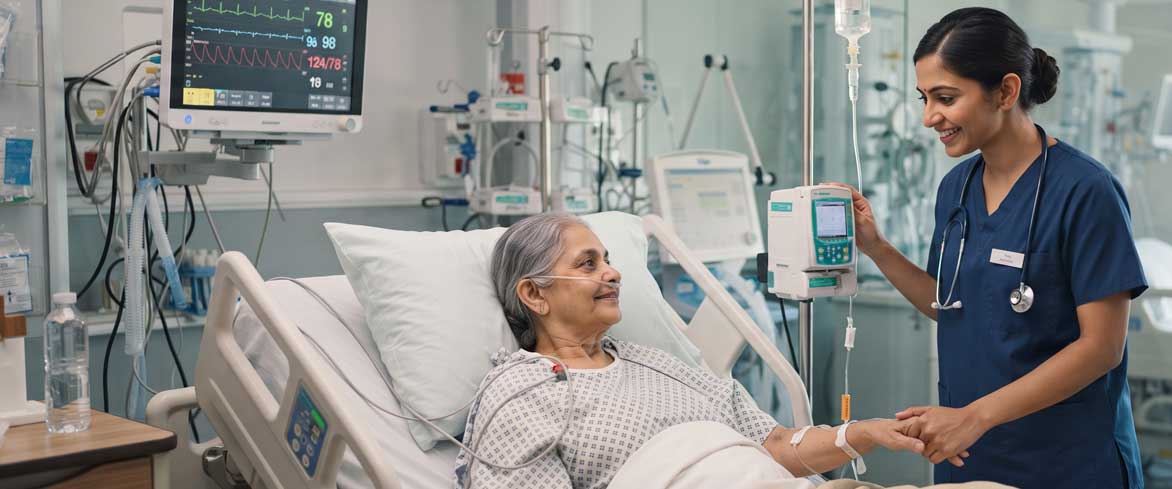
Nursing entails much more than administering medicines, monitoring vital signs or assisting in medical procedures. To understand this one must realise that one of the most valuable yet often overlooked skills in nursing is actually just listening. The best nurses are the ones who do not simply hear the words spoken by patients but also recognise the emotions, fears and concerns that remain unspoken. This ability to listen beyond words helps build trust, improves patient outcomes and enhances the overall quality of care.
It has to be kept in mind that patients may not always express what they truly feel. This can be due to multiple reasons which include fear of diagnosis, anxiety about treatment, cultural differences, embarrassment or even the desire not to burden family members. In such a scenario, skilled nurses need to pay close attention to subtle cues such as:
It has to be appreciated that these non-verbal signals often provide important clues about a patient's physical or emotional well-being.
Active listening is more than simply hearing words. It involves giving patients undivided attention, acknowledging their concerns, and responding with empathy.
Effective listening enables nurses to:
When patients feel heard, they are more likely to participate actively in their own care.
Empathy can transform routine clinical interactions into meaningful human connections. A patient who says, "I'm fine," may actually be worried about surgery, finances or their family's future. An observant nurse notices the trembling hands, the forced smile, or the unusually quiet behaviour and encourages conversation.
Simple questions from them often help reveal what the patient is actually undergoing or feeling and open the door to honest communication.
Careful listening can actually directly contribute to safer healthcare. Patients sometimes mention seemingly minor details that may indicate serious complications. A casual remark about increased pain, dizziness, difficulty sleeping or feeling "different" can underline the need for further assessment.
By recognising these subtle changes early, nurses can promptly inform the healthcare team, leading to timely intervention and preventing complications.
While the importance of listening cannot be overemphasised, it is a fact that like everything else listening can and needs to be strengthened through practice. Nurses can develop this faculty further by:
These habits create a safe environment where patients feel comfortable sharing their concerns.
It is no exaggeration to say that the art of listening is one of a nurse’s greatest strengths. While medical technology continues to advance, compassionate communication remains irreplaceable. The most exceptional nurses understand that healing often begins when patients feel genuinely heard. This is not only through their spoken words but also through their silence, expressions and emotions. By listening with both clinical awareness and empathy, nurses treat not just illnesses, but the whole person.